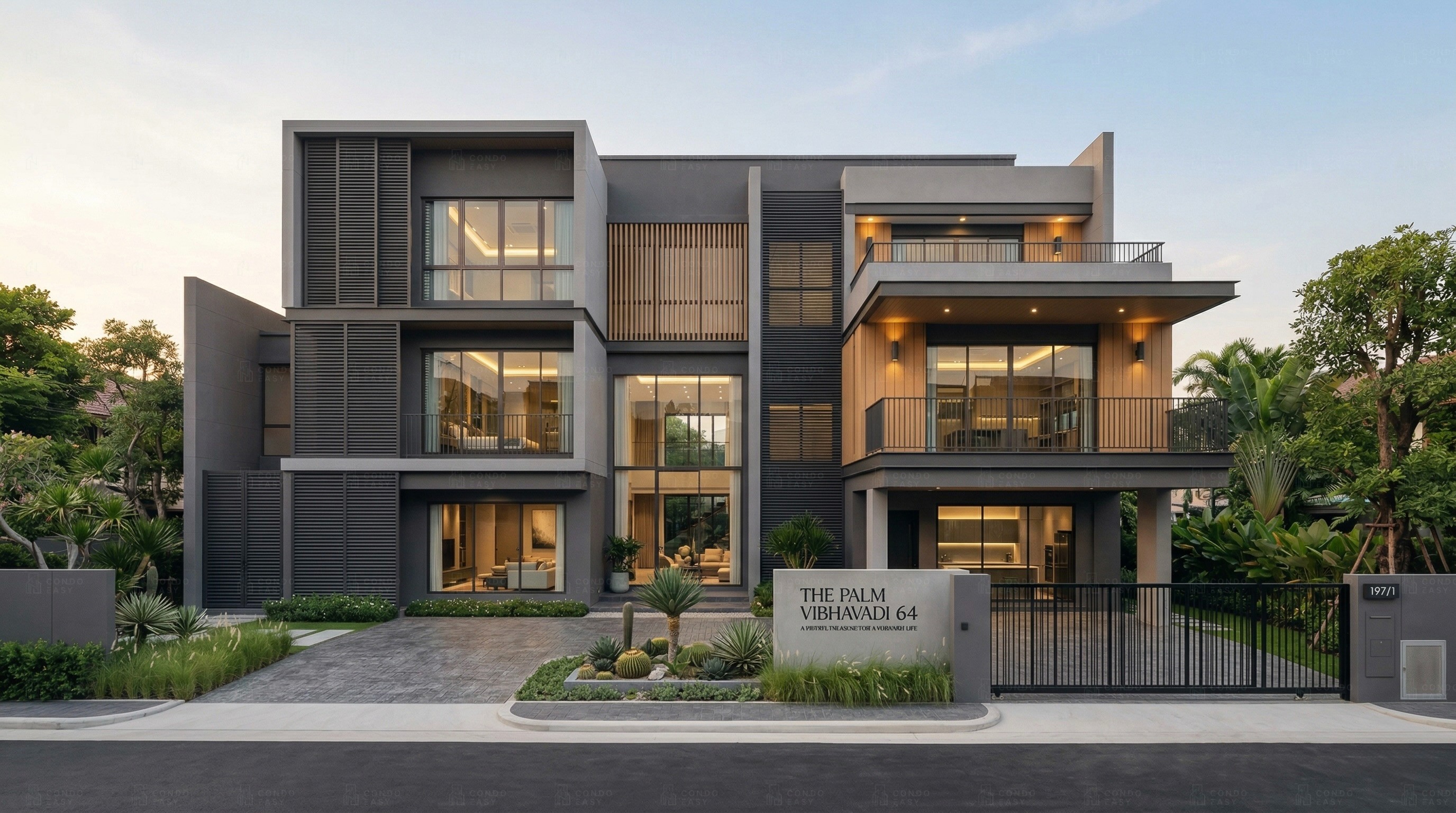
Phuket has transformed from a seasonal holiday destination into a year-round global lifestyle hub. Driven by geopolitics, the rise of remote work models, and an influx of international schools, the island’s real estate market is experiencing record-breaking transaction volumes. For capital allocators, navigating this island economy requires choosing between two main strategies: short-term capital deployment (flipping) or institutional hospitality leasing.
1. Off-Plan Capital Allocation (The "Flip" Strategy)
The mechanics of flipping real estate in Phuket rely heavily on Off-Plan Investing—purchasing units from developers during the architectural design or initial excavation phase at a substantial discount.
[Phase: Initial Launch] ➔ Price Point: 100% Base (Secure unit with low down payment)
[Phase: Mid-Construction] ➔ Price Point: 115% - 120% (Value increases as structure rises)
[Phase: Final Completion] ➔ Price Point: 130% - 140% (Exit prior to title deed registration)
The Leveraged Returns Model: Investors capitalize on staggered payment structures. A developer might require 20% to 30% down during construction, allowing the investor to contractually assign (sell) the purchase contract to an end-buyer before final completion, generating high returns on invested capital.
Risk Factors: This approach relies on the track record of the developer. If a project suffers delays, structural quality drops, or market liquidity slows down, the investor faces the risk of holding an asset they did not intend to finance long-term.
2. Institutional Hospitality Allocations (The "Rental Pool" Strategy)
For passive investors seeking cash flow, the preferred method is acquiring resort-style condominiums or luxury pool villas managed by international hotel brands (e.g., Wyndham, Radisson, Banyan Tree).
The Rental Pool System: All rental revenues generated by the resort units are pooled together. After deducting marketing, hotel operations, and management fees, the net profit is distributed to owners based on their square-meter ownership share, regardless of whether their specific unit was occupied or vacant during that month.
Seasonality Stabilization: Phuket's tourism market is highly seasonal, with peak demand occurring from November to April. Professional hotel operators use global distribution networks to secure corporate, events, and tour group bookings during the monsoon season (May to October), maintaining steady occupancy levels.
3. Structural Strategy Comparison Matrix
Operational Metric | Off-Plan Capital Flipping | Long-Term Hotel Rental Pool | Private Luxury Villa Lease |
Capital Horizon | Short-term (12 – 36 Months) | Long-term (5 – 15 Years) | Medium to Long-term |
Target Return Type | Capital Gains (Trading profit) | Consistent Yield (Cash Flow) | Mixed Yield & Lifestyle Use |
Target Annual Return | 15% – 25% on cash invested | 6% – 8% Net Yield | 5% – 7% Net Yield |
Involvement Level | High (Requires market timing) | Zero (Fully managed by hotel) | Moderate (Requires property manager) |
Primary Risk Profile | Developer default, liquidity traps | Tourism downturns, global macro shifts | High maintenance costs, vacancy risk |
Pro-Investor Checklist for Phuket: When evaluating island investments, ensure the property complies with the Phuket Environmental and Building Control Regulations, which strictly dictate building heights, slope angles, and distance from the high-tide beachfront line. Non-compliant properties risk demolition orders or permanent halts to construction.